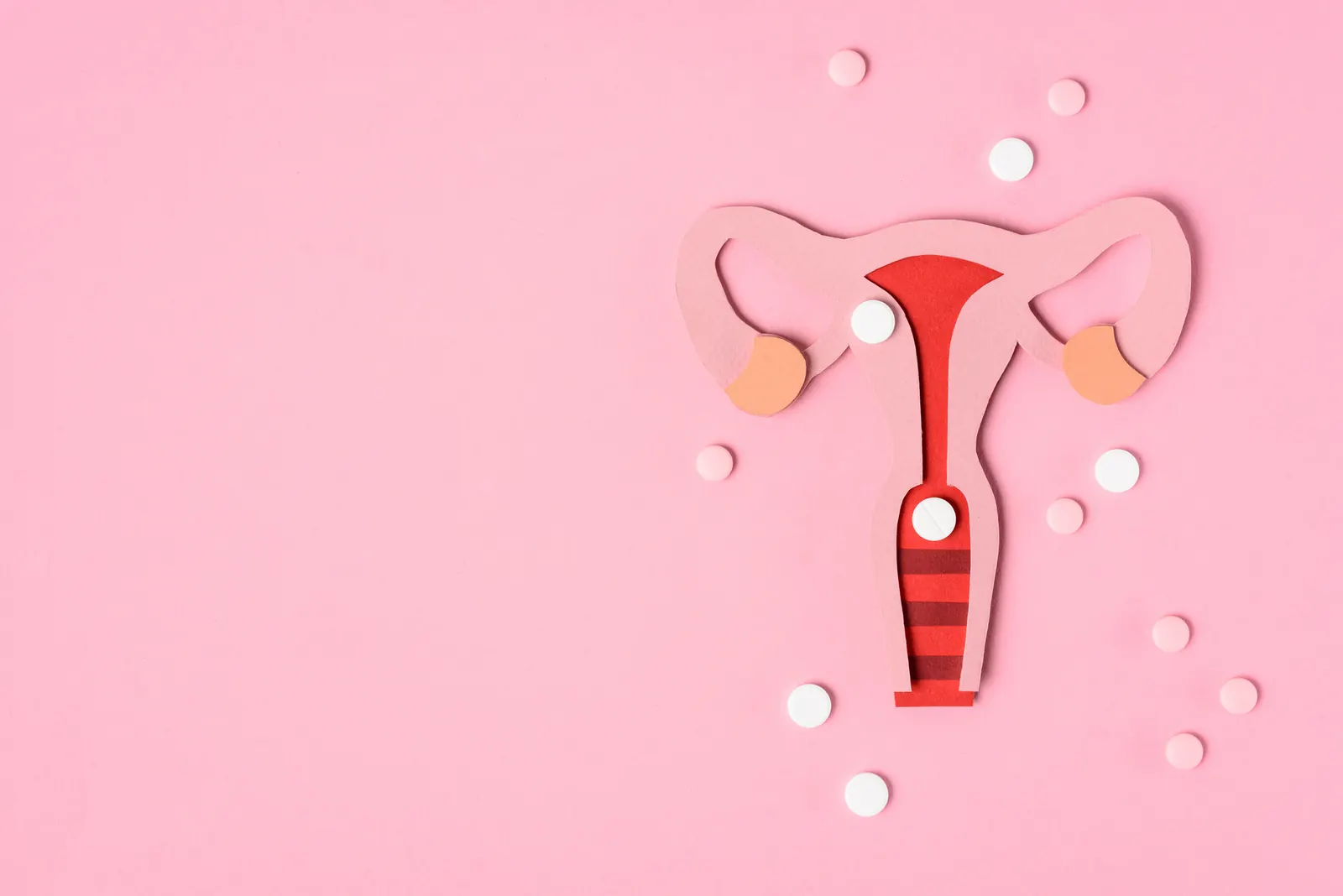

Perimenopause is the transition leading up to menopause, when your hormone levels start to shift and periods become less predictable.
It usually begins in your 40s, though for some it can start earlier, and it can bring on a wide mix of physical and emotional changes.
Are you in perimenopause? Take this quiz to find out
Which of these sound familiar?
0 of 6 signs selected. Take the quiz to see what they mean
Keep in mind: perimenopause periods often become shorter, longer, heavier or more irregular before they stop. Even without every symptom, your quiz results can still be useful to track.
StartThe bottom line
Perimenopause has no single diagnostic test. It’s identified from your pattern of symptoms and cycle changes over time. A short symptom check can help you recognise what’s going on and give you the words to bring to a healthcare provider, but it’s a starting point for conversation, not a diagnosis.
What are the symptoms of perimenopause?
- Irregular periods. Shorter, longer, heavier, lighter, or unpredictably timed.
- Hot flushes or night sweats.
- Trouble sleeping, even when tired.
- Mood changes, including irritability or low mood.
- Vaginal dryness or discomfort.
- Changes in libido.
- Brain fog or trouble concentrating.
- Weight changes, particularly around the abdomen.
References
- ACOG. Perimenopause FAQs (2023).
- NAMS. The Menopause Transition. Menopause (2022).
We check what we write against peer-reviewed research and grade the evidence as Proven, Moderate or Emerging, so you always know where the science is solid and where it is still catching up. See our evidence standards →