The bottom line
Heavy periods are one of the most common, most overlooked causes of iron deficiency in women of reproductive age, and the fatigue it causes is frequently mistaken for stress or poor sleep. A simple blood test can confirm it, and both dietary changes and, if needed, treating the underlying cause of heavy bleeding can resolve it.
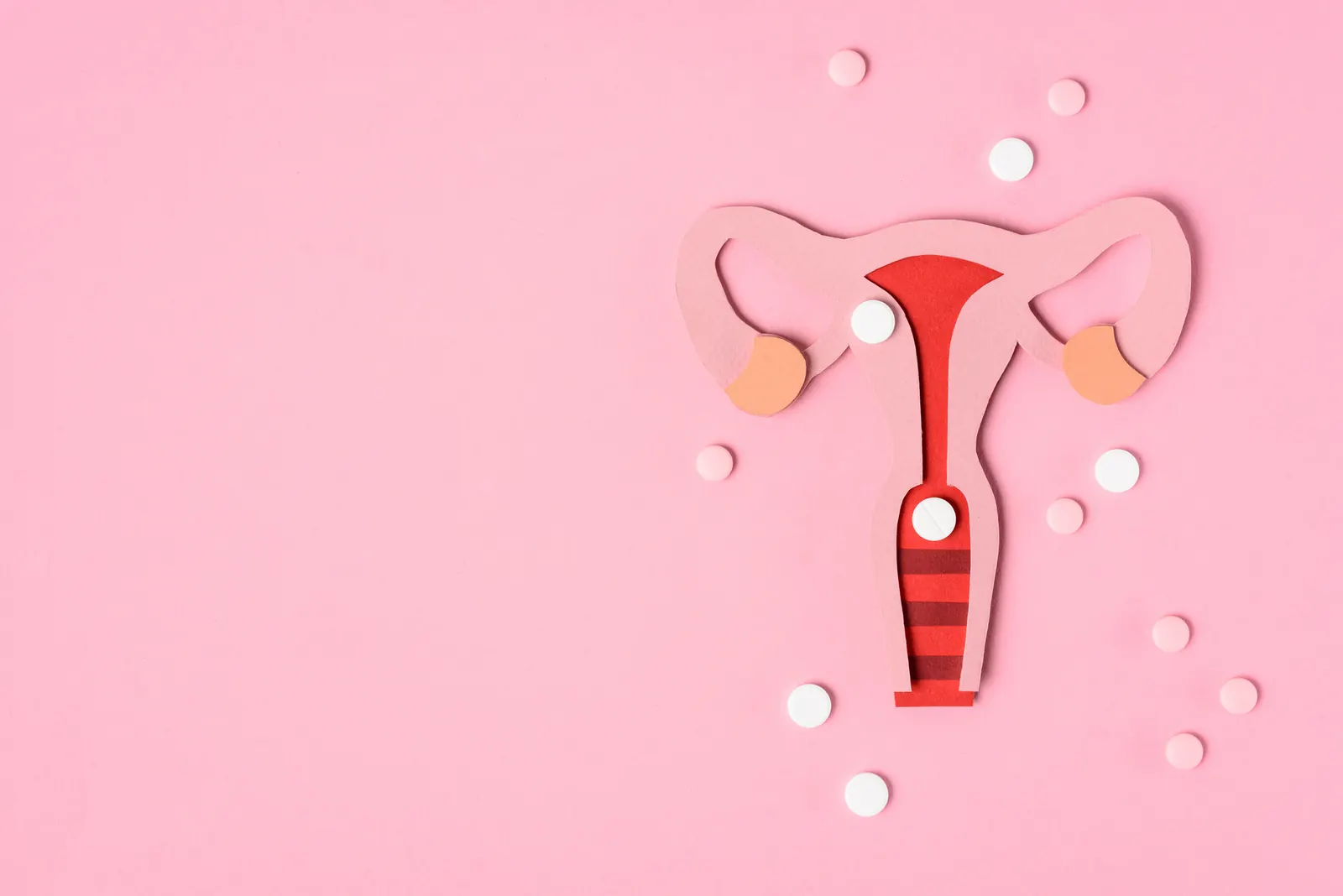
Iron deficiency is one of the most common nutritional deficiencies worldwide, and women of reproductive age are disproportionately affected for a very direct reason: menstrual blood loss.
Someone with heavy periods can lose significantly more iron each cycle than diet alone typically replaces, and the resulting fatigue is often written off as stress, poor sleep, or simply being busy.
What counts as a heavy period
Clinically, heavy menstrual bleeding is generally defined as blood loss exceeding roughly 80ml per cycle, though in practice it’s more useful to think in terms of impact: soaking through a pad or tampon every hour or two for several consecutive hours, passing large clots, or bleeding for more than seven days are all signs worth discussing with a doctor.
Many people underestimate their own flow simply because they’ve never had another period to compare it to.
If heavy bleeding has always been "normal" for you, it’s easy to assume everyone experiences the same thing.
Why iron deficiency causes such broad symptoms
Iron is essential for making haemoglobin, the protein in red blood cells that carries oxygen throughout the body.
When iron runs low, oxygen delivery to tissues becomes less efficient, which explains why the symptoms are so wide-ranging: fatigue, shortness of breath on exertion, pale skin, brittle nails, hair thinning, restless legs, and difficulty concentrating are all common.
The overlooked stage before anaemia
Iron deficiency can exist for months before it progresses to full anaemia (measured by low haemoglobin), during a stage sometimes called "iron deficiency without anaemia," where iron stores (measured by ferritin) are low but haemoglobin hasn’t dropped yet.
Many people feel the fatigue and other symptoms during this earlier stage, but standard bloodwork that only checks haemoglobin can miss it: ferritin needs to be tested specifically to catch it.
Heme vs non-heme iron
Iron from animal sources (heme iron) (red meat, poultry, fish) is absorbed considerably more efficiently by the body than iron from plant sources (non-heme iron) like lentils, spinach and fortified cereals.
This doesn’t make a plant-based diet impossible for maintaining iron levels, but it does mean more intentional planning, and pairing plant iron sources with vitamin C (citrus, peppers, tomatoes) meaningfully improves absorption.
What blocks iron absorption
Coffee and tea, particularly around mealtimes, contain compounds called tannins that can reduce iron absorption by a meaningful margin.
Calcium also competes with iron for absorption, which is worth knowing if you take a calcium supplement: spacing it a few hours from iron-rich meals or iron supplements helps both nutrients absorb better.
 Expert picks: what to read next
- Also always tired? Here's why thyroid and iron symptoms are so easy to confuse.
- Periods unpredictable too? Here's the range of causes worth ruling out with a doctor.
Addressing the underlying cause matters too
Nutrition alone can only do so much if heavy bleeding continues unaddressed.
It’s treating the symptom, not the cause. Fibroids, adenomyosis, certain hormonal imbalances, and some bleeding disorders can all cause heavy periods, and treatment options range from hormonal birth control to iron supplementation to, in some cases, procedures.
This is why persistent heavy bleeding deserves a medical evaluation rather than an indefinite iron-supplement routine.
Restless legs and iron: a link worth knowing
Low iron stores are a well-documented trigger for restless legs syndrome, and correcting deficiency often resolves or meaningfully reduces the symptom.
This is one of the more specific, satisfying connections in this space. An odd, disruptive symptom with a genuinely fixable, testable cause.
Pregnancy raises iron needs further
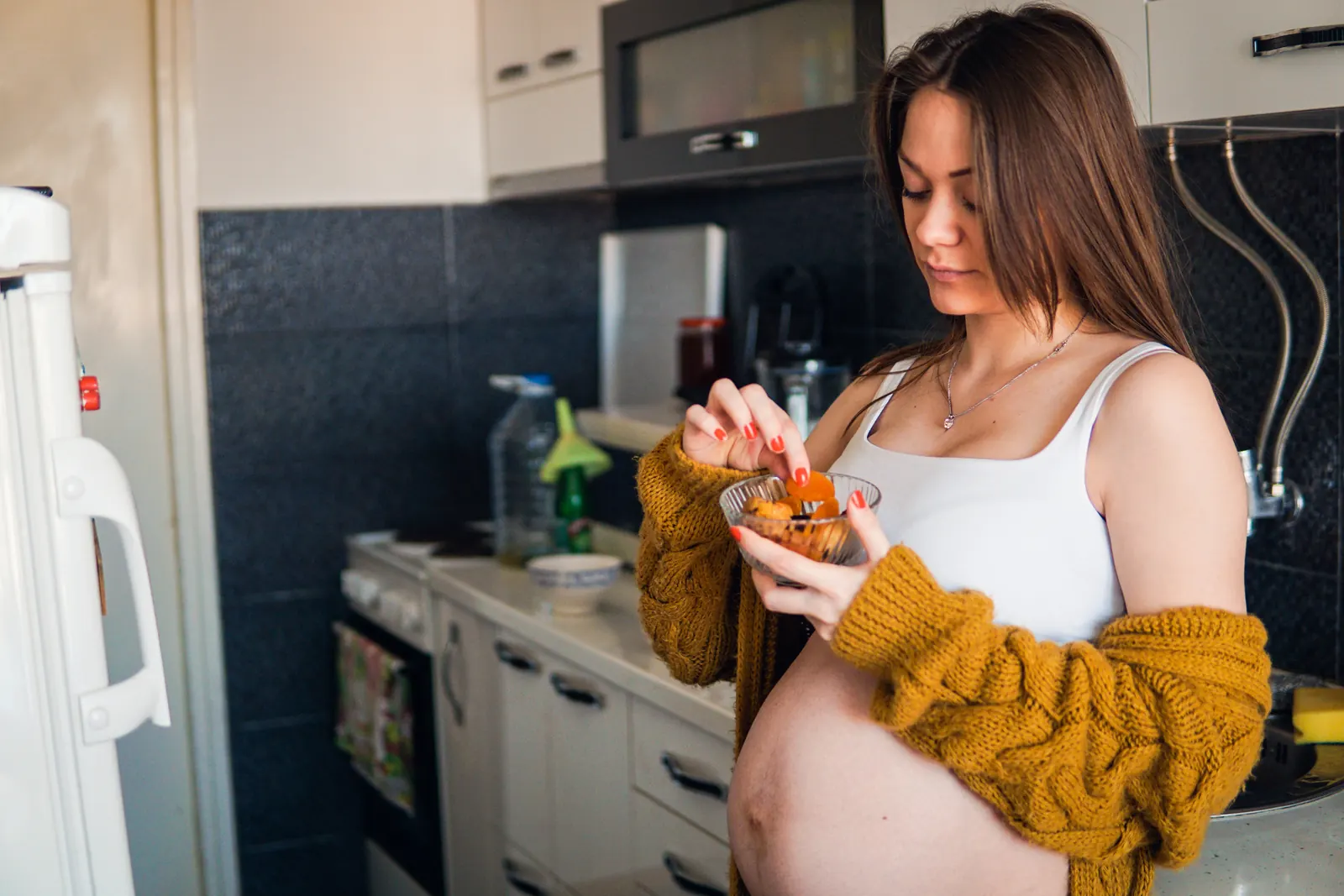
Iron requirements roughly double during pregnancy to support the growing blood volume and the developing baby, and pre-existing iron deficiency from years of heavy periods can compound this.
This is part of why prenatal vitamins are formulated with iron, and why bloodwork checking iron status is a routine part of prenatal care.
Supplementing safely
Iron supplements are effective but can cause constipation and stomach upset, especially at higher doses.
Taking iron every other day, rather than daily, has been shown in recent research to improve absorption and reduce side effects for many people, since the body appears to regulate iron uptake more efficiently with this pattern. Iron supplements should generally only be started after a blood test confirms deficiency, since excess iron carries its own risks and isn’t something to take "just in case."
Sample day of iron-supportive eating
A reasonable day might look like:
- fortified cereal or oats with strawberries for breakfast
- a spinach and lean beef or chickpea salad with a squeeze of lemon for lunch
- dried apricots as a snack
- a lentil or chicken stir-fry with bell peppers for dinner, keeping coffee and tea away from these meals rather than with them.
Frequently asked questions
- How do I know if I’m iron deficient? A blood test checking ferritin (not just haemoglobin) is the most reliable way: symptoms alone can overlap with many other conditions.
- Can heavy periods alone cause anaemia? Yes, this is one of the most common causes of iron deficiency anaemia in women of reproductive age worldwide.
- Should I take iron supplements without testing first? It’s better not to: confirming deficiency first avoids unnecessary supplementation and the constipation and stomach upset that can come with it.
If fatigue has become your normal and periods have always been heavy, it’s worth asking a doctor for a ferritin check specifically.
It’s a five-minute test that can explain months or years of tiredness that’s easy to blame on everything except its actual cause.
References
- World Health Organization. Iron deficiency anaemia guidelines (2021).
- Munro, M. et al. Heavy menstrual bleeding and iron status. American Journal of Obstetrics and Gynecology (2018).
We check what we write against peer-reviewed research and grade the evidence as Proven, Moderate or Emerging, so you always know where the science is solid and where it is still catching up. See our evidence standards →