
The bottom line
Cravings in the days before your period are common and are not a willpower problem. Your body uses slightly more energy in the luteal phase, and hormone shifts can affect appetite, mood and sleep. Eating enough, building meals around protein and fibre, and getting enough calcium and magnesium are the best-supported ways to take the edge off. Severe premenstrual mood symptoms are worth raising with a doctor.
If you find yourself reaching for chocolate, biscuits or anything sweet in the week before your period, you are far from alone. Premenstrual cravings are one of the most commonly reported cycle symptoms.
They can feel like a lapse in willpower. The research suggests something more ordinary is going on: your body’s needs and signals genuinely shift across the cycle.
Understanding why can make the cravings easier to manage, and a lot less frustrating.
What changes in the days before your period
The second half of your cycle, from ovulation to your period, is called the luteal phase. Progesterone rises, then both progesterone and oestrogen fall in the days before bleeding starts.
Studies that track women through their cycles generally find that food intake rises in the luteal phase, and that resting energy use rises slightly too. Estimates vary a lot between studies and between people, but the direction is fairly consistent.
In other words, feeling hungrier before your period is not imagined. For many people it reflects a small, real change in what the body is using.
Why it’s sugar in particular
Hunger alone doesn’t explain why the pull is so often towards sweet food. A few things are likely involved.
- Mood. Falling oestrogen in the late luteal phase is linked with changes in serotonin, and sweet, carbohydrate-rich food can feel soothing when mood dips.
- Tiredness. Poorer sleep before a period is common, and short sleep reliably increases appetite for high-sugar, high-fat food.
- Habit and culture. Premenstrual chocolate craving is far more common among women in the US than in Spain, which suggests expectation plays a part as well as biology.
None of this means cravings are “all in your head”. It means they have more than one cause, which is useful: there is more than one lever to pull.
 Expert picks: what to read next
- Does your cycle really change what you should eat? Here's the real evidence behind cycle syncing, cutting through the myths.
- Heard magnesium helps with PMS? Here's what the research actually supports, and where it falls short.
What actually helps
The aim isn’t to ban sugar. It’s to avoid reaching the late afternoon of the week before your period starving, tired and running on empty.
1. Eat enough, especially in the luteal phase
If your body is using a little more energy, undereating makes cravings stronger. A slightly bigger breakfast or an extra snack in the week before your period is a reasonable response, not a failure.
2. Build meals around protein and fibre
Protein and fibre slow digestion and help keep blood sugar steadier, which can soften the sharp dips that often come before a sugar craving. Think eggs, Greek yoghurt, lentils, beans, fish or tofu, alongside vegetables and wholegrains.
If you do want something sweet, pairing it with protein or fat (fruit with yoghurt, dark chocolate with a handful of nuts) tends to produce a gentler blood sugar response than eating it on its own.
3. Check your calcium and magnesium
Calcium has some of the better evidence in this area: a large randomised trial found daily calcium reduced premenstrual symptoms, including food cravings, compared with placebo.
Magnesium is also linked with milder PMS symptoms in several studies, though the evidence is more mixed. Good food sources include dairy or fortified alternatives, leafy greens, nuts, seeds and wholegrains.
Vitamin B6 has shown modest benefits for overall PMS symptoms in some trials. As with any supplement, it’s worth checking with a pharmacist or doctor first, particularly if you take other medication.
4. Protect your sleep
Because short sleep increases cravings on its own, keeping a consistent bedtime in the premenstrual week can make a noticeable difference, even if nothing else changes.
5. Plan for it rather than fight it
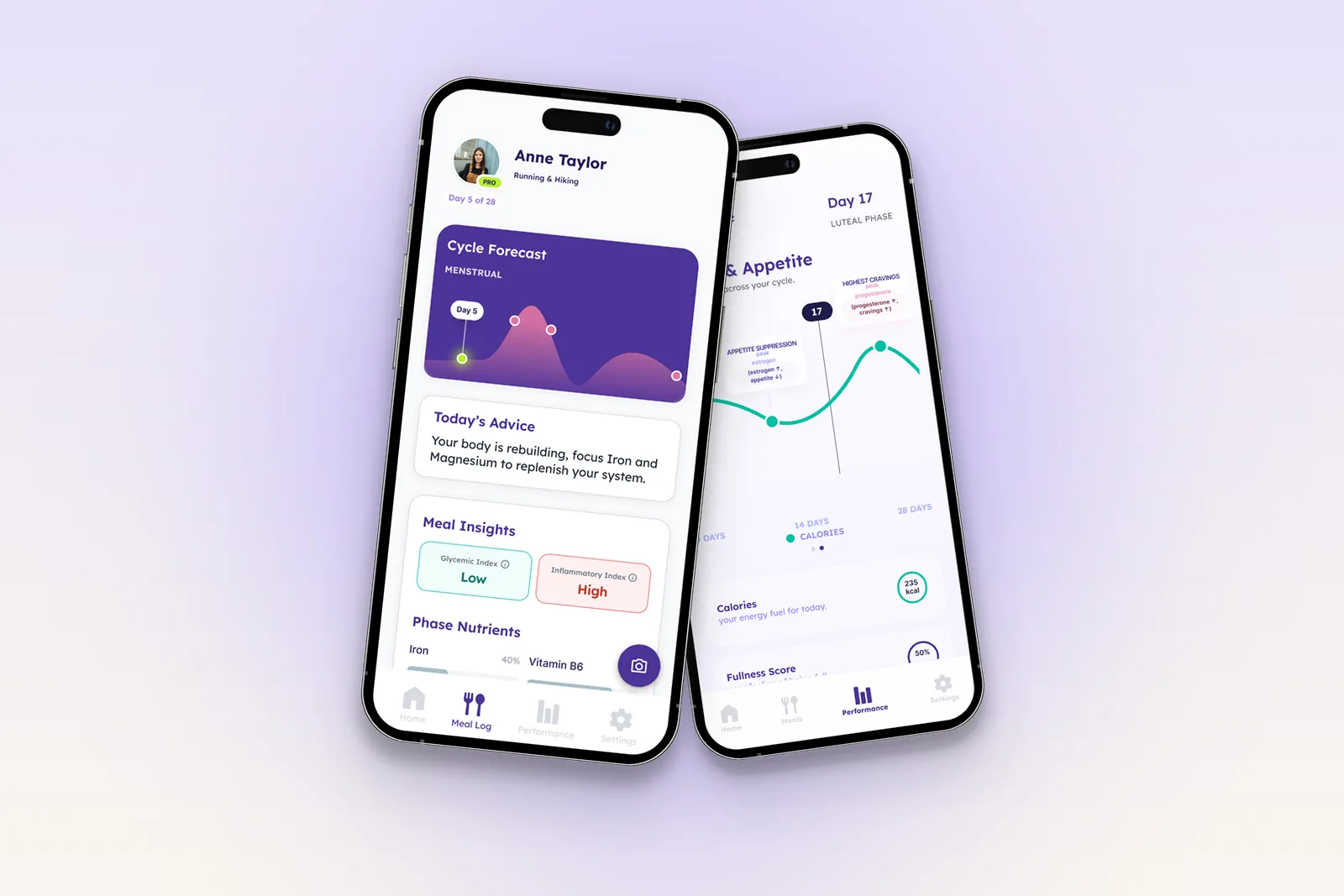
Cravings are easier to handle when you expect them. Knowing where you are in your cycle means you can see the luteal phase coming and have satisfying options ready, instead of relying on willpower when you are already tired and hungry.
When to speak to a doctor
Mild cravings and mood changes before a period are common. If premenstrual symptoms are severe, affect your relationships or work, or include low mood, anxiety or feeling out of control, it could be premenstrual dysphoric disorder (PMDD), which is treatable. It’s worth speaking to your GP.
The takeaway
Premenstrual sugar cravings are a normal response to real changes in energy needs, mood and sleep. Eating enough, anchoring meals with protein and fibre, and paying attention to calcium, magnesium and sleep are the best-supported ways to ease them, and knowing where you are in your cycle makes all of it easier to plan.
Frequently asked questions
Is it normal to be hungrier before your period?
Yes. Studies that track women through their cycles generally find that food intake rises in the luteal phase, and resting energy use rises slightly too. For many people, feeling hungrier before a period reflects a small, real change in what the body is using.
How can I stop craving sugar before my period?
The aim isn't to ban sugar. Eating enough in the week before your period, building meals around protein and fibre, and protecting your sleep are the best-supported ways to take the edge off, and calcium has some of the better evidence for reducing premenstrual food cravings.
When should I see a doctor about PMS?
If premenstrual symptoms are severe, affect your relationships or work, or include low mood, anxiety or feeling out of control, it's worth speaking to your GP. It could be premenstrual dysphoric disorder (PMDD), which is treatable.
References
- Gorczyca, A. M. et al. Changes in macronutrient, micronutrient, and food group intakes throughout the menstrual cycle in healthy, premenopausal women. European Journal of Nutrition (2016).
- Davidsen, L., Vistisen, B. & Astrup, A. Impact of the menstrual cycle on determinants of energy balance: a putative role in weight loss attempts. International Journal of Obesity (2007).
We check what we write against peer-reviewed research and grade the evidence as Proven, Moderate or Emerging, so you always know where the science is solid and where it is still catching up. See our evidence standards →