The bottom line
Anti-inflammatory eating (more omega-3s, fibre and colourful vegetables, less processed and fried food) has the most consistent evidence behind it for supporting endometriosis symptoms. It is a complement to medical care, not a substitute, and no diet currently has evidence strong enough to claim it can cure or reverse the condition.
Endometriosis involves chronic inflammation, which is why anti-inflammatory nutrition is frequently discussed as a supportive strategy.
The evidence here is real but still developing, and it is worth being precise about what it does and doesn’t show, especially given how much misinformation circulates about "curing" endometriosis through diet alone.
Endometriosis affects roughly one in ten women of reproductive age, and diagnosis often takes years due to how variable and easily dismissed symptoms can be.
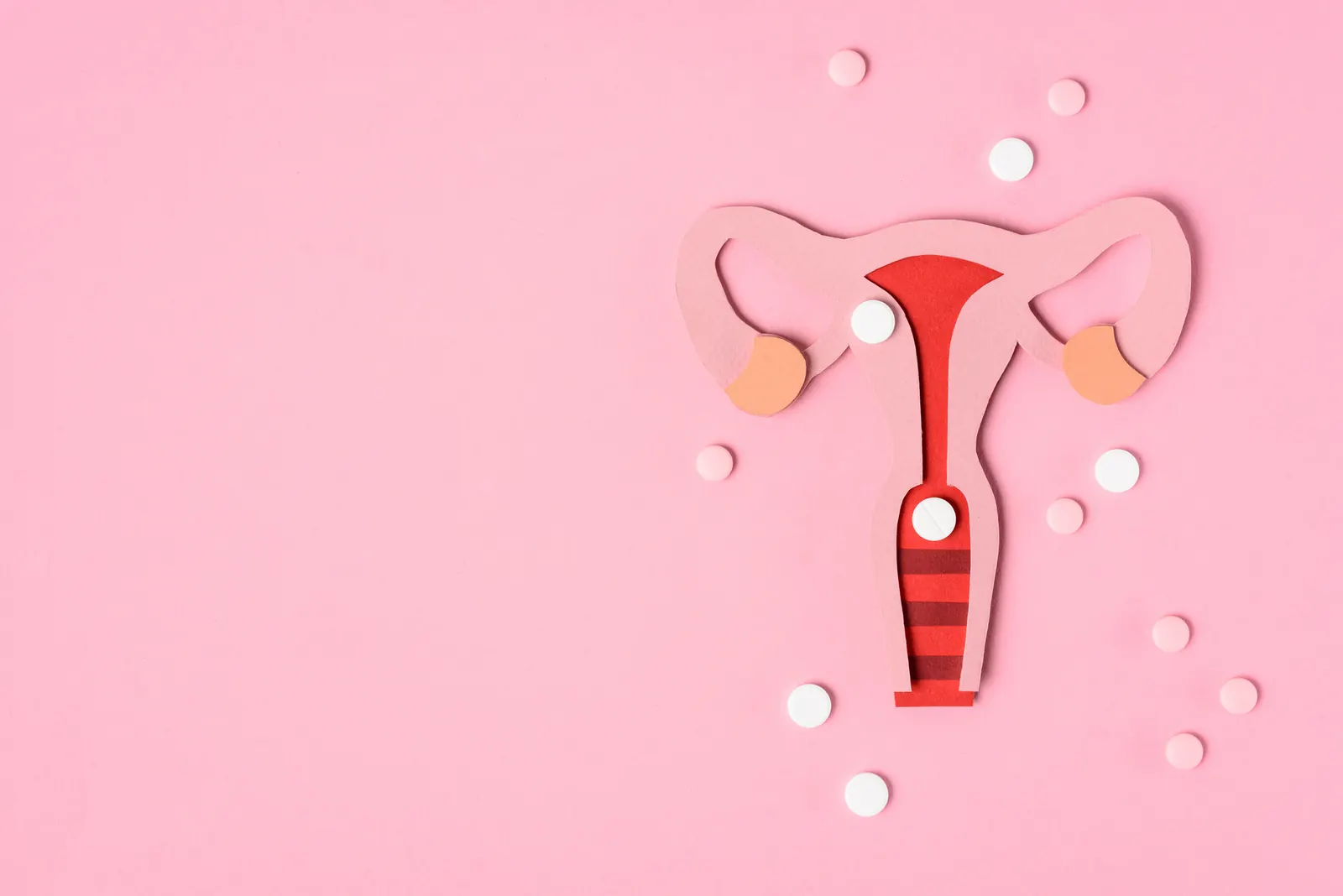
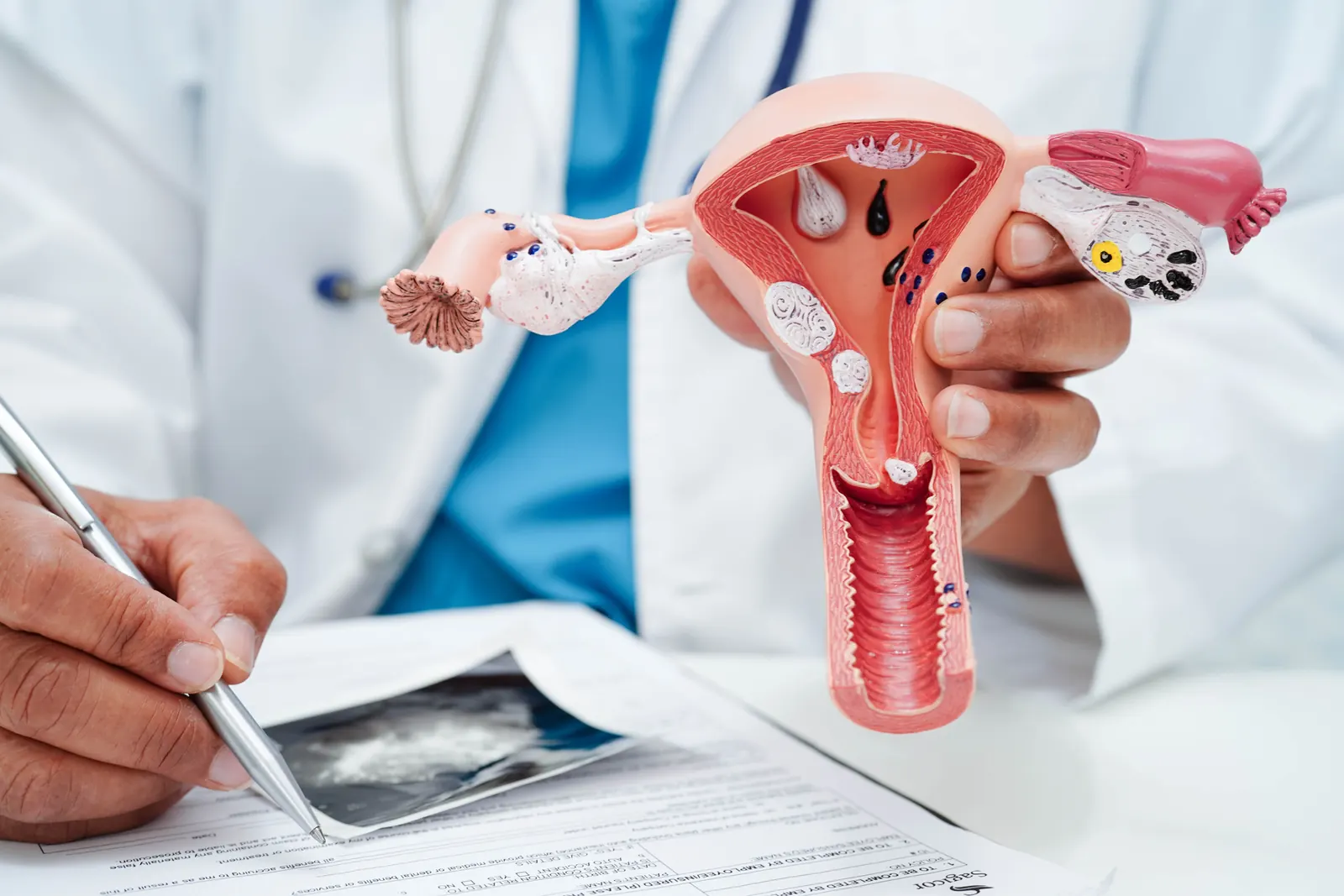
It occurs when tissue similar to the uterine lining grows outside the uterus, triggering inflammation, pain, and sometimes fertility challenges. Nothing about nutrition changes that underlying process directly, but there is a reasonable, evidence-informed case for how eating patterns can support symptom management.
Where the signal is strongest
Omega-3 fatty acids, found in oily fish, have the most consistent research behind them for reducing inflammatory markers and, in some studies, period pain.
Higher omega-3 intake relative to omega-6 has also been associated with lower endometriosis risk in observational studies, though this doesn’t prove cause and effect.
Fibre-rich foods may help by supporting oestrogen metabolism and excretion, since excess circulating oestrogen is thought to fuel endometrial tissue growth.
Cruciferous vegetables like broccoli and cauliflower are commonly discussed in this context, as some of their natural compounds are believed to support healthy oestrogen clearance through the liver and gut.
The role of the gut
Emerging research points to a relationship between gut bacteria and oestrogen metabolism, sometimes referred to as the "estrobolome."
A more fibre-rich, plant-diverse diet supports a healthier gut microbiome generally, which may in turn support healthier oestrogen balance, though this area of research is still young and shouldn’t be oversold.
Where to stay cautious
Claims that specific diets can "cure" or reverse endometriosis are not supported by current evidence.
Nutrition is a supportive tool alongside medical care, not a replacement for it, and no food or supplement should delay a proper diagnosis or treatment plan with a specialist.
Some popular recommendations (cutting out gluten or dairy entirely, for instance) have limited and mixed evidence specific to endometriosis.
They may help some individuals with co-occurring sensitivities, but they are not universal fixes, and unnecessary elimination diets can create their own nutritional gaps.
Pain, inflammation and everyday eating patterns
Highly processed foods, trans fats and excess red and processed meat are consistently linked with higher inflammatory markers across many conditions, endometriosis included.
This doesn’t mean these foods need to be eliminated entirely, but shifting the overall balance of a diet toward whole foods, healthy fats and fibre is one of the more consistently supported strategies available.
A reasonable starting point
A pattern rich in omega-3s, colourful vegetables and fibre, with less processed and fried food, is a reasonable, evidence-aligned place to start.
Tracking your own symptoms alongside meals can also help you notice personal patterns that general research can’t capture: endometriosis symptoms vary enough between individuals that personal tracking is often more useful than any single generic list of "good" and "bad" foods.
The link between oestrogen and endometrial tissue growth
 Expert picks: what to read next
- Also managing PCOS? Here's the blood-sugar-first approach that helps most.
- Trying to conceive? Here's the nutrients backed by the clearest fertility research.
Endometriosis is considered an oestrogen-dependent condition, meaning the abnormal tissue growth responds to and is often fuelled by circulating oestrogen, similar to how the normal uterine lining responds to hormonal cycles.
This is the biological basis for why nutrition strategies that support healthy oestrogen metabolism (adequate fibre, cruciferous vegetables, limiting excess alcohol which can affect liver oestrogen clearance) are discussed as potentially supportive, even though none of them address the structural presence of endometrial tissue itself.
FODMAPs and the overlap with digestive symptoms
A significant number of people with endometriosis also experience digestive symptoms (bloating, altered bowel habits, cramping) that overlap considerably with irritable bowel syndrome.
Some research has explored a low-FODMAP diet (which reduces certain fermentable carbohydrates) for symptom relief in this overlapping population, with promising but preliminary results. This is a more restrictive approach and generally recommended under the guidance of a dietitian rather than attempted alone long-term, since it isn’t meant to be a permanent way of eating.
Alcohol, caffeine and inflammation
Some observational research associates higher alcohol intake with increased endometriosis risk and symptom severity, potentially through effects on oestrogen levels.
Caffeine’s relationship with endometriosis is less consistent across studies, with some showing a weak association and others showing none. Neither needs to be eliminated based on current evidence, but moderation is a reasonable, low-risk step for anyone looking for additional levers to pull.
Supplements sometimes discussed alongside nutrition
Vitamin D, magnesium, and curcumin (the active compound in turmeric) are commonly discussed in endometriosis nutrition research for their anti-inflammatory properties, though evidence quality varies considerably between them and none should be treated as a guaranteed fix.
As always, discussing supplements with a healthcare provider matters, particularly because some can interact with medications or hormonal treatments used for endometriosis.
Nutrition as one part of a larger treatment picture
Nutrition changes are best understood as a complementary layer alongside medical management, which may include hormonal therapy, pain management, or surgery depending on severity and individual goals.
Nutrition alone rarely resolves endometriosis symptoms completely, and expecting it to can lead to unnecessary self-blame when symptoms persist despite dietary effort. Working with both a specialist and, where accessible, a dietitian familiar with endometriosis tends to produce the most realistic, sustainable plan.
How endometriosis is diagnosed, and why that timeline matters for symptom management
Diagnosis often requires laparoscopic surgery to confirm, and studies consistently find average diagnostic delays of seven to ten years from first symptoms.
During that long stretch, many people manage symptoms without a formal diagnosis, which is part of why evidence-informed nutrition strategies (that don’t require a diagnosis to start trying) carry real practical value, even while pursuing a proper medical work-up.
Iron and endometriosis: an overlooked connection
Heavy menstrual bleeding is common with endometriosis, which raises the risk of iron deficiency alongside the condition itself.
Symptoms of iron deficiency (fatigue, brain fog, shortness of breath) can overlap with or worsen the exhaustion many people with endometriosis already report, making it worth checking iron levels specifically rather than assuming all fatigue is simply "part of" the condition.
A sample day of anti-inflammatory eating for endometriosis
A reasonable day might look like:
- overnight oats with flaxseed and berries for breakfast
- a salmon and leafy green salad with olive oil dressing for lunch
- walnuts and an orange as a snack
- a turmeric-spiced lentil curry with vegetables for dinner. None of this requires eliminating entire food groups. It simply weights meals toward the anti-inflammatory foods with the most consistent research behind them.
Frequently asked questions
- Does a gluten-free diet help endometriosis? Some small studies report symptom improvement, but results are inconsistent and likely reflect individual sensitivity rather than a universal effect. It’s reasonable to trial if you suspect a personal link, not necessary as a default.
- Can nutrition affect fertility outcomes with endometriosis? Nutrition supports overall reproductive health, but endometriosis-related fertility challenges often require medical or surgical intervention that diet alone cannot substitute for.
- How long before dietary changes might show a difference? Most people who notice a benefit report it building gradually over eight to twelve weeks of consistent change, not days.
Endometriosis is a complex, still-not-fully-understood condition, and nutrition is one of the more empowering pieces simply because it’s within your control day to day, but it works best as a genuine complement to medical care, not a replacement for the diagnosis and treatment that only a specialist can provide.
References
- Parazzini, F. et al. Diet and endometriosis risk. Reproductive Sciences (2013).
- Missmer, S. et al. Fat consumption and endometriosis. Human Reproduction (2010).
We check what we write against peer-reviewed research and grade the evidence as Proven, Moderate or Emerging, so you always know where the science is solid and where it is still catching up. See our evidence standards →