The bottom line
Hormonal birth control modestly depletes a handful of specific nutrients (B6, B12, folate, magnesium and vitamin C among them) without causing dramatic deficiency for most people. A reasonably varied diet closes most of the gap; a targeted B-complex or multivitamin is worth discussing with a provider if you notice fatigue, mood changes or are also managing another condition.
Starting or switching hormonal birth control changes more than your cycle.
It shifts how your body handles several nutrients, and most people are never told which ones or why. None of this is dangerous for most users, but understanding it helps explain symptoms (fatigue, low mood, skin changes) that get written off as unrelated.
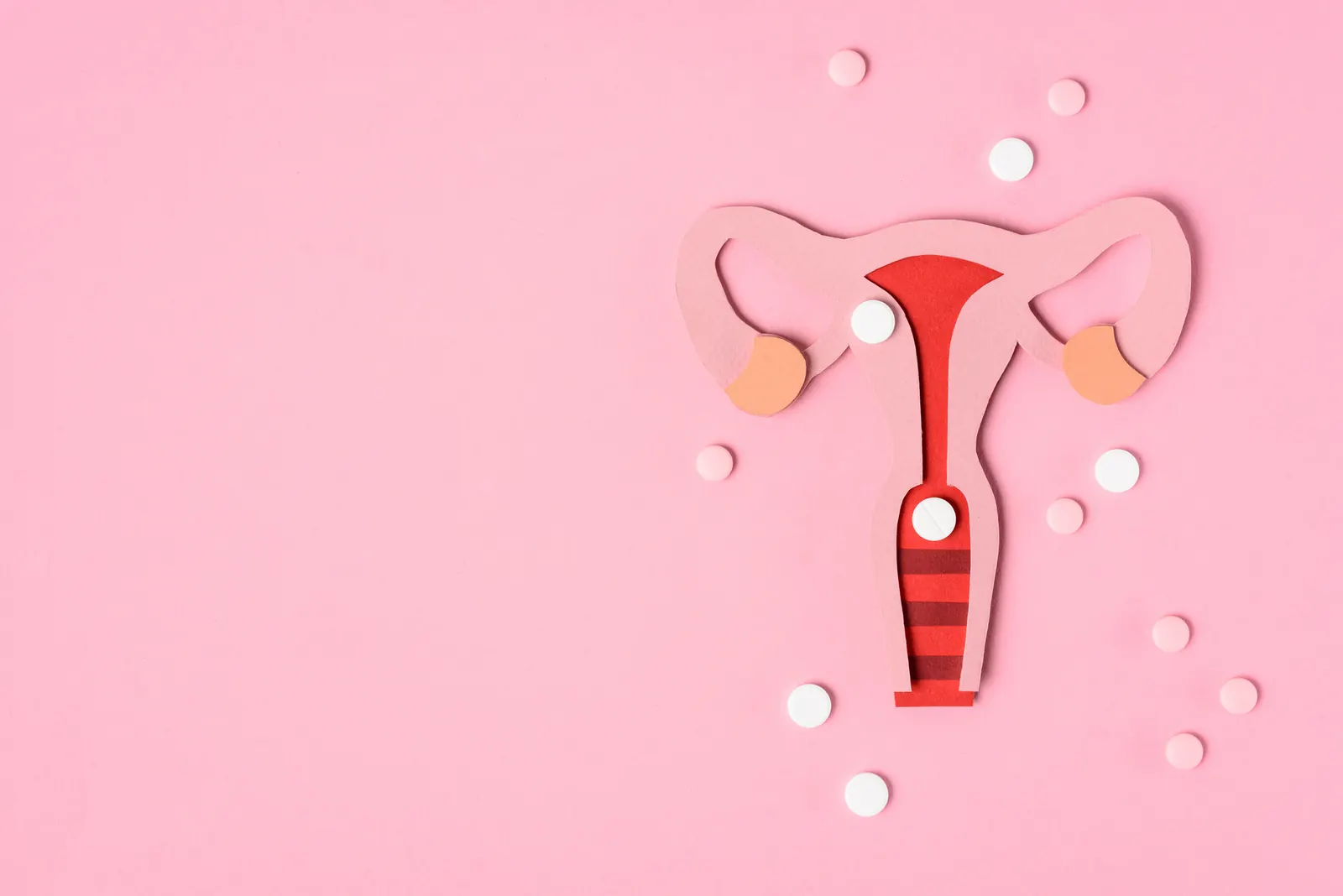
Hormonal contraception works by altering the hormonal signals that drive ovulation, and those same pathways intersect with nutrient metabolism in the liver.
That overlap is why the pill, patch, ring and hormonal IUD can each nudge nutrient levels slightly, even though none of them are typically described as a "nutrition" intervention.
B vitamins are the most consistently affected
Research going back decades associates oral contraceptive use with lower blood levels of B6, B12 and folate.
The mechanism isn’t fully settled, but estrogen appears to increase the breakdown or excretion of several B vitamins. For most people this is a mild shift, not a clinical deficiency, but it can matter more for anyone already eating a limited diet.
B6 in particular is worth knowing about, since it plays a role in mood regulation through neurotransmitter synthesis.
Some of the mood-related side effects reported with hormonal birth control may be partly related to this shift, though the evidence is mixed and mood changes have many other explanations too.
Magnesium and vitamin C also shift
Several studies note modestly lower magnesium levels in people using combined hormonal contraception, which is relevant given magnesium’s role in sleep, muscle function and mood.
Vitamin C levels have also been shown to dip slightly, though dietary vitamin C is easy to replace through fruit and vegetables without supplementation for most people.
Does birth control cause weight gain?
The honest answer is: mostly no, with nuance.
Large studies looking at combined oral contraceptives generally don’t find a significant average weight gain beyond a small amount of fluid retention in the first few months for some users. The injectable (DMPA) is the exception, with more consistent evidence of modest weight gain in some users over time.
Individual experience varies a lot, and appetite changes are worth tracking rather than assuming either way.
What to actually do about it
For most people, a varied diet with regular sources of leafy greens, legumes, nuts, and some animal or fortified protein covers the modest dip in B vitamins and magnesium without any supplementation.
If you’re vegetarian, vegan, or have a naturally restricted diet, a B-complex or multivitamin covering B6, B12 and folate is a reasonable, low-risk addition to discuss with a provider.
This matters more if you’re also planning a pregnancy soon after stopping birth control, since folate status takes time to rebuild and is important from the earliest weeks of pregnancy, often before a pregnancy is even confirmed.
Different methods, different effects
The evidence base is strongest for combined oral contraceptives, since they’ve been studied longest.
Progestin-only methods (the mini-pill, hormonal IUD, implant) appear to have a smaller effect on nutrient levels overall, likely because they don’t suppress ovulation and estrogen production as completely. This isn’t a reason to choose one method over another on nutrition grounds alone; it’s simply useful context.
Gut health and absorption
 Expert picks: what to read next
- Have PCOS too? Here's the insulin-aware changes with the strongest evidence.
- Heavy periods before starting the pill? Here's why iron often needs a closer look.
Some research suggests hormonal contraceptives may subtly affect gut bacteria composition, which in turn plays a role in nutrient absorption and even estrogen metabolism through what’s sometimes called the estrobolome.
This is an active area of research rather than settled science, but it’s another reason a fibre-rich, varied diet is a sensible default for anyone on hormonal birth control.
The pill and skin, hair, and libido
Skin often improves on combined hormonal methods, since estrogen suppresses the androgen activity that drives acne for many people: part of why some formulations are specifically prescribed for skin concerns.
Hair thinning and changes in libido are reported by a subset of users, though the research on both is more mixed and harder to separate from other life factors than the nutrient changes described above.
Vitamin D and bone density on long-acting methods
Some research on the injectable (DMPA) specifically flags a temporary dip in bone mineral density during use, which generally recovers after stopping.
Adequate vitamin D and calcium intake, along with weight-bearing activity, are sensible precautions for anyone on this method for an extended period, particularly teenagers whose bone density is still building.
How long it takes to notice a difference
Nutrient shifts from starting hormonal birth control tend to happen gradually over the first few months, rather than immediately, which is also roughly the same window many side effects (spotting, mood changes, skin changes) settle down in.
If fatigue or mood symptoms persist or worsen well past the three-month mark, it is worth a follow-up rather than waiting it out indefinitely.
Signs worth mentioning to a provider
Persistent fatigue, mood changes that feel out of character, unusual hair thinning, or new digestive symptoms after starting a hormonal method are all worth raising with a healthcare provider rather than assuming they’re "just the pill."
Bloodwork can clarify whether a nutrient gap is contributing, and there are usually multiple method options if one isn’t working well for you.
Contraceptive choice and nutrient impact
Lower-dose combined pills, now the most commonly prescribed formulation, appear to have a milder effect on B vitamins and magnesium than the higher-estrogen pills studied in older research, though direct comparisons are limited.
This is one more reason not to extrapolate too heavily from decades-old studies onto today’s typical prescriptions.
A note on herbal supplements and interactions
St.
John’s Wort, commonly used for mood, is well documented to reduce the effectiveness of hormonal birth control by speeding up how the liver clears estrogen and progestin. This is a case where a “natural” supplement carries a real practical risk, and it is worth mentioning any supplement routine to a provider when starting or continuing hormonal contraception.
Sample day of eating on hormonal birth control
A reasonable day might look like:
- eggs with spinach and whole-grain toast for breakfast
- a lentil and vegetable salad with citrus dressing for lunch
- a handful of pumpkin seeds and an orange as a snack
- grilled fish with quinoa and broccoli for dinner. This naturally covers B vitamins, magnesium, folate and vitamin C without needing to track anything.
Frequently asked questions
- Do I need a special multivitamin for the pill? Not usually. A standard multivitamin or B-complex covers the relevant nutrients if your diet is limited.
- Will stopping birth control immediately reverse any nutrient changes? Most research suggests levels normalise within a few months of stopping, though individual timelines vary.
- Should I worry about long-term deficiency? For most healthy people eating a reasonably varied diet, no. The shifts involved are modest, not dangerous, and mainly relevant for people with additional risk factors like restrictive diets or pre-existing deficiencies.
None of this is a reason to avoid hormonal birth control if it’s working well for you.
It’s simply useful context for a handful of nutrients worth paying a little extra attention to while you’re on it.
References
- Palmery, M. et al. Oral contraceptives and changes in nutritional requirements. European Review for Medical and Pharmacological Sciences (2013).
- Wilson, S. et al. Vitamin B6 and oral contraceptive use. Systematic review (2020).
We check what we write against peer-reviewed research and grade the evidence as Proven, Moderate or Emerging, so you always know where the science is solid and where it is still catching up. See our evidence standards →